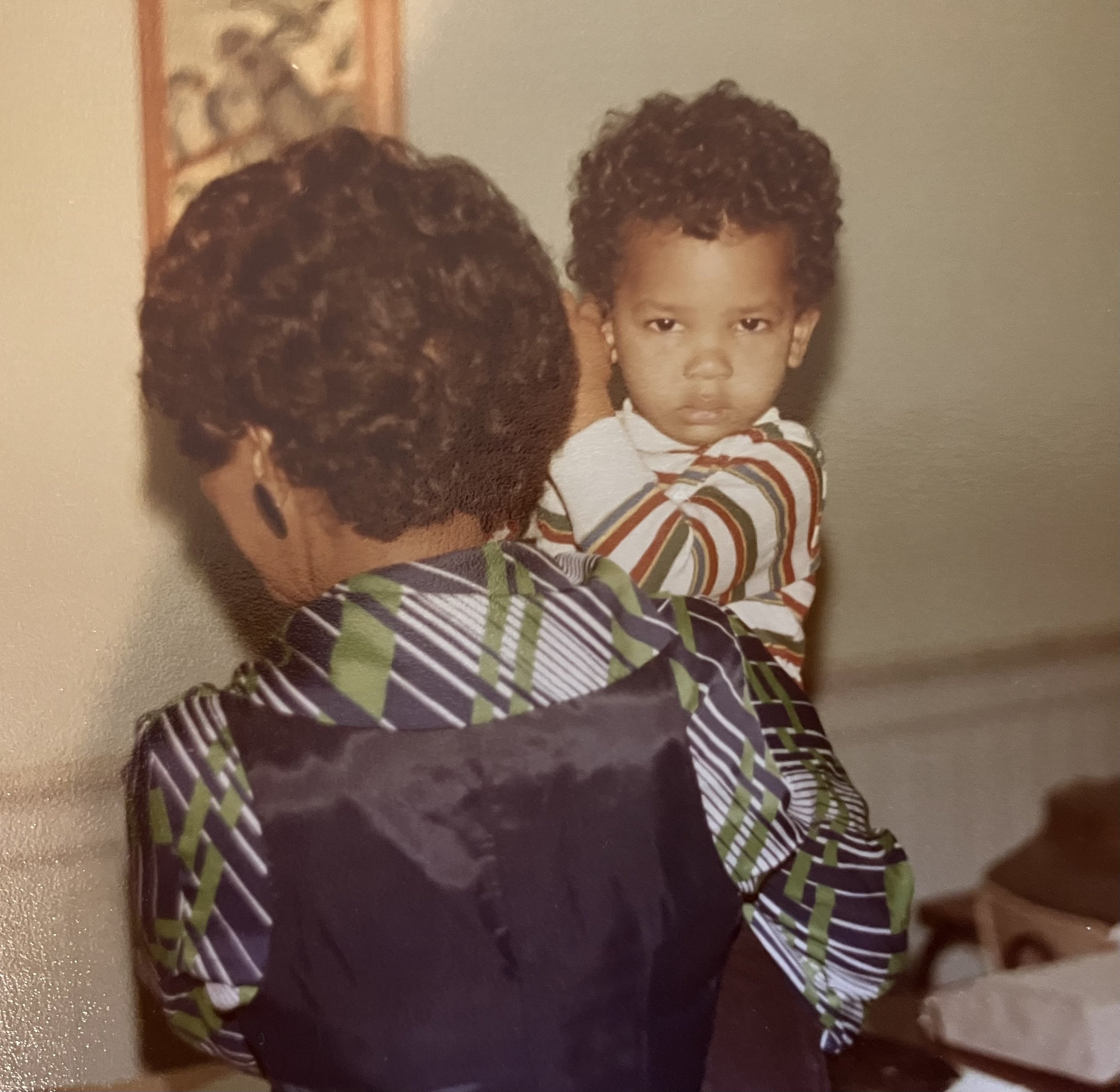
A person’s relationship with money doesn’t begin when they open their first bank account or got their first job. It begins much earlier—shaped by what they saw, heard, and experienced growing up.
For example, when Al Riddick was around 10 years old, he believed that anyone driving a BMW or Mercedes-Benz must be rich. To his young mind, the car in the driveway was the clearest sign of financial success.
Over time, he discovered that wasn’t always true. Income doesn’t equal wealth. Possessions don’t equal financial stability. And appearances definitely don’t equal freedom.
This realization led him to ask one of the most important financial questions of his life:
“What do I believe about money… that might not actually be true?”
Many adults continue to carry childhood beliefs—some helpful, some harmful—into their financial lives.
Al encourages reflection on questions such as:
👉 What experiences—positive or negative—have shaped the way you view personal finance?
👉 What childhood money lessons still influence your decisions today?
👉 Which beliefs might need to be challenged, updated, or released?
Everyone’s money story is powerful—but it doesn’t have to define their financial future.


